
Pamukkale.ioHierapolis & beyondExplore
Hierapolis Archaeology Museum Guide: Inside the Roman Baths
A quiet guide to the Hierapolis Archaeology Museum, located inside a 2nd-century Roman Bath. Learn about the artifact halls, theater reliefs, and visit times.
Updated
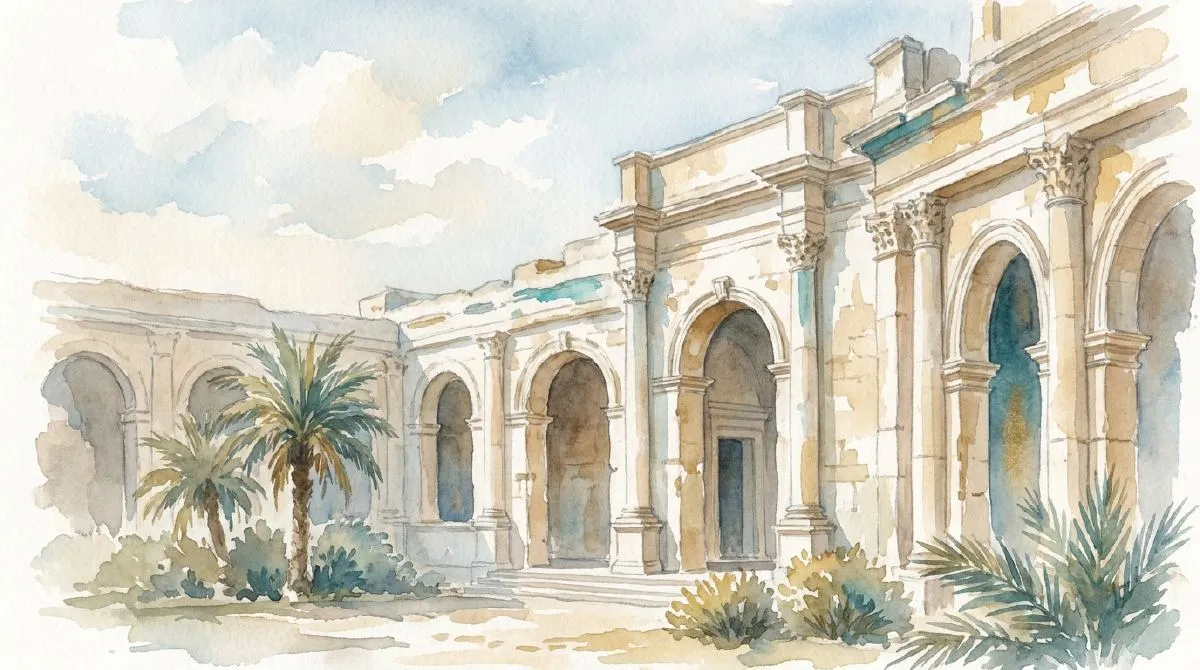
The Hierapolis Archaeology Museum operates inside a massive, vaulted Roman Bath complex dating back to the 2nd century AD. It holds the major sculptural works, stone reliefs, and everyday artifacts recovered from the ancient city and its surrounding settlements. You will find the entrance centrally located on the main walking path of the plateau, sitting between the ancient thermal pools and the travertine terraces. Since the large-scale ruins scattered across the site are mostly architectural skeletons, this museum is where the detailed stonework and daily life of the city are actually visible.
Is the Museum Worth Your Time?
Visitors often walk past the museum entrance on their way to the white terraces, assuming the main attractions are all outdoors. However, stepping inside offers a necessary counterweight to the expansive, unshaded ruins. The museum provides the fine details that are missing from the open-air structures: the faces of the statues that once lined the streets, the coins used in the markets, and the intricate jewelry worn by the citizens.
Beyond the historical value, the physical space itself offers a profound shift in atmosphere. The transition from the bright, reflective glare of the white travertines to the dim, cool interior of the Roman Bath complex is a welcome physical relief. The thick stone walls maintain a low temperature even in the height of summer, creating a quiet space where you can inspect the artifacts without the physical strain of the midday sun.
What Kind of Building Houses the Collection?
The museum does not sit in a modern concrete box. It occupies the former Roman Bath and Gymnasium of the city, one of the largest structures in the entire settlement. Operating as a museum since 1984, the building itself is a major part of the exhibition.
When you walk through the heavy wooden doors, you enter halls defined by colossal stone blocks and high vaulted ceilings. The architecture reflects standard Roman engineering, designed to accommodate large crowds and handle the immense heat and moisture of a public bathhouse. Standing under these stone arches gives a clear sense of the scale that is difficult to grasp when looking at the flattened foundations in other parts of the Hierapolis ancient city. The acoustics are entirely different from the open air, softening the sounds of the crowds outside and focusing attention on the carved stone.
What to See in the Exhibition Halls
The collection is organized into three distinct sections. You do not need a background in archaeology to follow the layout, as the rooms naturally group items by their scale and function.
The Hall of Tombs and Statues
The first main space is dedicated to the heavy marble works. Hierapolis was a city of the wealthy, heavily populated by retired Roman officials, and their affluence is clear in their burial choices. You will see several complete sarcophagi, notably the highly decorative Sidamara types.
These stone coffins feature deep, complex carvings of mythological figures, garlands, and architectural columns. The marble itself is largely local, and the craftsmanship shows how the regional stone workshops developed their own distinct carving styles. Aside from the tombs, this hall holds the statues of gods, goddesses, and prominent citizens that once decorated the public squares. The facial expressions and the folds of the marble clothing highlight the skill level present in the city during its peak Roman era.
The Hall of Small Artifacts
Moving away from the monumental stone, this hall scales down to the objects of daily life. The items here span a massive timeline, from early Bronze Age pieces up through the Hellenistic, Roman, Byzantine, and even late Ottoman periods.
Because Hierapolis functioned as a prominent healing center built around thermal waters, you will find ancient medical instruments used by the physicians of the time. The glass cases also hold extensive collections of coins, offering a timeline of the shifting economic power in the region. You can observe fragile glass vessels, terracotta oil lamps that lit the stone houses at night, and metal jewelry. Many of these items were not just found in Hierapolis; the museum serves as a regional repository, holding important small finds from the neighboring Laodikeia ancient city and Colossae.
The Theater Ruins Gallery
Perhaps the most visually striking section is dedicated to the architectural elements recovered from the Hierapolis Theatre. While the theater building up on the hill is largely intact, the original, highly detailed friezes that decorated its stage building (the skene) were brought down here to protect them from further weathering.
These massive stone panels depict dynamic mythological narratives, most notably scenes from the lives of Apollo and Artemis, the principal deities of the region. When you visit the actual theater, the stage is viewed from a distance. Here in the museum gallery, these reliefs are mounted at eye level. You can see the distinct tool marks of the sculptors and the depth of the relief work that brought these mythological battles to life for the ancient audiences.
How Much Time Should You Allocate?
A thorough walk through the three main halls takes approximately 45 minutes to an hour. The layout is linear and does not require complex navigation. Since the explanatory plaques are concise, you will spend most of your time simply observing the details of the stone carvings and the small glassworks. If you are on a tight schedule, you can easily walk through the main highlights in 20 minutes without feeling entirely rushed, prioritizing the theater friezes and the large sarcophagi.
Entrance Fee and Opening Hours
As of the 2026 season, entrance rules and ticketing structures for archaeological sites frequently update. Historically, the museum has operated with a separate, nominal entry fee distinct from the main Pamukkale south or north gate tickets, though the Turkish Museum Pass (Müzekart) is widely accepted.
The doors typically open in the early morning alongside the main ruins but close slightly earlier in the evening than the open-air travertine paths. Because operating schedules and combo-ticket inclusions shift depending on the month and administrative decisions, it is essential to verify the current status. You can find detailed, up-to-date practical information in our Pamukkale tickets and opening hours guide, or by checking the official Turkish Museums portal before your arrival.
Planning Your Route
The most logical time to visit the museum is during the middle of the day. After spending the cooler morning hours walking the outdoor ruins or wading in the travertines, the museum serves as a quiet, shaded interlude before you continue your exploration of the upper theater or the necropolis.
Take your time examining the friezes here first; doing so will give you a much better understanding of the scale and artistry when you eventually walk up the hill to stand inside the grand theater itself. Plan your route carefully, wear comfortable walking shoes for the uneven stone floors, and allow the quiet atmosphere of the Roman baths to round out your understanding of this ancient settlement.
Where these places are
Distances from the travertine entrance. Tap a marker to open its guide.
All places on this map
- The Antique Pool (Cleopatra's Pool)
- The travertine terraces of Pamukkale
- Hierapolis Ancient City (Guide coming soon) · 0.7 km from the terraces
- Karahayıt: the red thermal springs · 5.1 km from the terraces
- Laodikeia: the ruined city across the valley · 9.9 km from the terraces
- Denizli: the working city next to Pamukkale · 15.9 km from the terraces
- Tripolis: a Roman city on the Meander with almost no one in it (Guide coming soon) · 19.8 km from the terraces
- Kaklık Cave: Pamukkale underground · 24.2 km from the terraces
- The Çal vineyard route: high-altitude wine an hour from Pamukkale (Guide coming soon) · 29.6 km from the terraces
Guided tours and day trips in Pamukkale
Skip the planning. Pick a theme below to compare guided tours, balloon rides and day-trip packages, many with instant confirmation and free cancellation.
- Pamukkale + Hierapolis day tour
- Hot air balloon ride
- Sunset tour
- Day trip from İzmir
- Day trip from Antalya
- Cleopatra antique pool
Coming out this way?How to get there →